
"Ethiopia coffee defects"
2000 article(s) found

How to drink coffee beans washed in Ethiopian tea Liku water _ introduction to Ethiopian coffee producing areas
Professional coffee knowledge exchange more coffee bean information please follow the coffee workshop (Wechat official account cafe_style) Ethiopian coffee Ethiopia Ethiopia is the birthplace of coffee, legend has it that an unknown shepherd Kadi Kaldia found this best-selling mysterious red fruit: coffee, while herding sheep in the forests of western Ethiopia.

Coffee bean defect grading standard-Ethiopian coffee bean grading
Coffee bean defect classification criteria-Ethiopia coffee bean classification Ethiopia-Ethiopia Yirgacheffe (Ethiopia), for example, Ethiopia Ethiopia is the name of the coffee producing country, indicating that this is a "single coffee"; Yega Chenophine Yirgacheffe is a high-altitude, narrow, small producing area in Ethiopia's Sidamo producing area (Sidamo). Different small producing areas mean
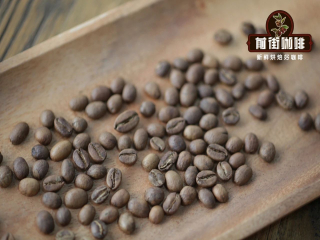
What's the difference between G1 and G2 Yega Xuefei? Classification of coffee beans in Ethiopia
We know that coffee beans are usually graded according to the actual situation of the growing country, such as Kenyan coffee, altitude, blue mountain coffee, and coffee defect rate, such as Ethiopian coffee. Ethiopia, as the gene bank of Arabica, has a wide variety of coffee.

An introduction to the characteristics of the legends of coffee beans in Ethiopia
Ethiopia Ethiopia in 800 AD, the first Arabica coffee tree grew in Ethiopia's East African Rift Valley. More than 1200 years later, some of the world's unique and rare curry beans still originated in Ethiopia. There is a traditional Isopia proverb that goes like this: Buna dabo naw means: coffee is our bread. For Ethiopia, coffee

Ethiopian coffee beans G1 and G2 are just different in the number of defective beans?
Ethiopian coffee beans G1 and G2 are just different in the number of defective beans. After picking beans without special screening and treatment, uneven appearance and maturity are mixed together, the process is relatively rough, so the quality of coffee beans is unstable and prone to defective beans. two。 Coffee farmers usually find an open space near their home to deal with it, so there are often a lot of miscellaneous things on the ground.
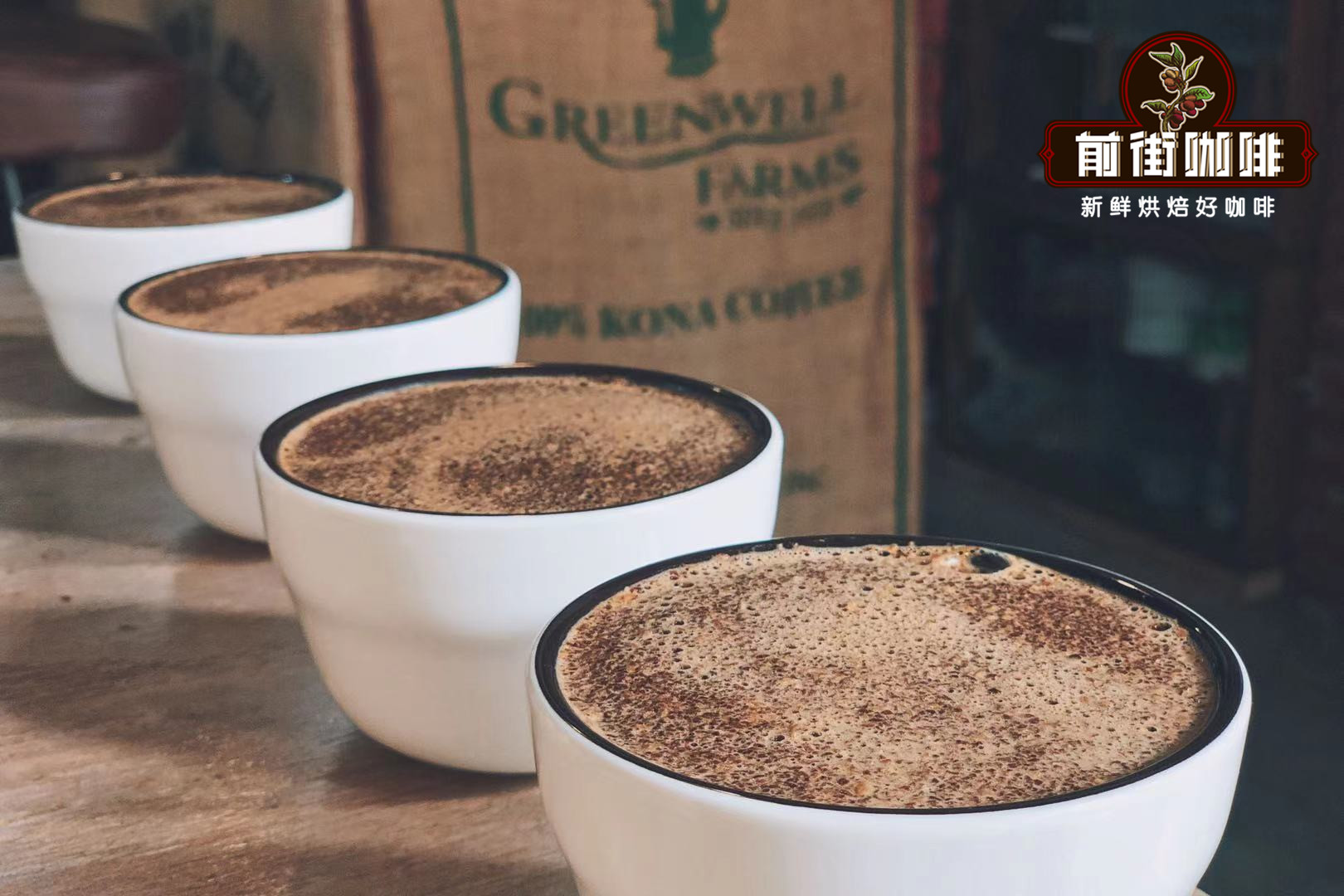
The difference between G1 and G2 coffee beans introduced what is the coffee grading system in Ethiopia
The difference between G 1 and G 2 coffee beans the difference between G 1 and G 2 coffee beans is introduced by putting the mellow beans into the pool and moving back and forth, using the friction of the beans and the power of running water to wash the coffee beans until smooth and clean. After washing, the coffee beans are still wrapped in the pericarp with a moisture content of 50%, which must be dried to reduce the moisture content to 12%, otherwise they

Ethiopia Ethiopia
On the first day of introducing Yejia Shefei coffee beans to Ethiopia, I met a coffee stall of a beautiful girl near the Great Church. To be honest, I was attracted by the beauty of the girl at first, not the coffee fragrance. After coming to Africa for more than half a month, it was the first time I saw a stunning black beauty. No wonder Ethiopia produced beautiful women. The skin color is brownish wheat, the face is narrow, and the nose bridge is high.

Ethiopian Sidama G1 Coffee Bean Grades
Ethiopian sidamo G1 grade of coffee beans washed sidamo green beans are pale green, citrus notes are evident on the palate with a hint of berry fruit, and pleasant elegant sour, grape sweet and chocolate aftertaste washed coffee flavor less wild flavor, with a clean, refreshing character, suitable for City to Full City roasting degree; some excellent in nature

Ethiopian coffee beans G1 and G2 are just different in the number of defective beans.
Ethiopian coffee beans G1 and G2 are just different in the number of defective beans? the characteristics of the variety introduce that defective beans are an important factor that destroys the flavor of the final coffee. Therefore, defective beans should also be removed in the last step of raw bean processing. This has the problem of the number of defective beans, so according to the proportion of defective beans, supplemented by the size of the screen is also a way of classification. Due to the trend of boutique coffee

Why are the coffee beans of Yega Xuefei and Sidamo uneven in size, which means that there are many defective beans?
[preface] some time ago, some fans told us that Ethiopian beans are large and small, very uneven, and the defect rate is high. I think maybe we should figure out why the shape of Ethiopian beans is uneven and what is called defective beans. Why are Ethiopian coffee beans always big and small? The coffee beans in Ethiopia seem to be of different sizes
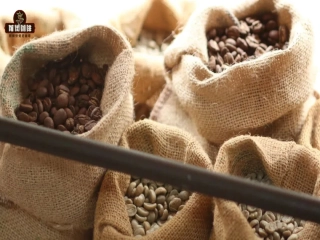
Coffee Bean Grade AA, G1, SHB Raw Bean grading method introduction to Ethiopia Kenya Coffee grading
Kenya AA, Yega Xuefei G1, Blue Mountain one, these names are no stranger to everyone, followed by letters or numbers that represent the grade of these coffee beans. The grade of raw beans is a grading system suitable for the quality of coffee developed by each coffee-producing country according to its own situation. Each country judges the quality of coffee

Are Ethiopian coffee beans G1 and G2 just different in the number of defective beans?
Ethiopian coffee beans G1 and G2 are only different in the number of defective beans. Honey treatment is to remove immature beans and other defective bean leaves after flotation of coffee beans, and then carry out red, yellow and black treatment according to different regions. Yellow honey usually removes the most peel, about 40 percent peel, red honey 25 percent peel, black honey only peel, and then
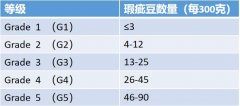
How are the boutique coffee beans graded? Coffee origin Ethiopian coffee bean grade discrimination
Sometimes we will see English and numbers, G1, G2, G3, AA, PB, SHB, SHG, HB and so on. Today, we will introduce the coffee bean grade of Ethiopia. It uses G1, G2, G3, G4, G5 and so on. To grade it. So what are their standards? The grade of coffee beans is usually based on the defect rate and the size of beans.
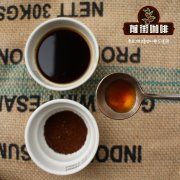
Yega Sheffield grades are mainly defective beans. Is Arabica coffee beans expensive?
Professional coffee knowledge exchange more coffee bean information please follow the coffee workshop (Wechat official account cafe_style) Front Street-Yega Xuefei grading introduction Ethiopia Mercantile Exchange (ECX-Ethiopia Commodity Exchange) is an agricultural market where buyers and sellers come together to trade to ensure quality, delivery and payment. ECX's vision is to become

Ethiopian Coffee Export Ethiopia Coffee grading system
For more information on coffee beans, please follow Coffee Workshop (official Wechat account cafe_style) [Export of Ethiopian Coffee] according to Ethiopian decree, there are three coffee export systems: (1) the largest privately owned processing plant system for export through ECX bidding, (2) cooperative system, and (3) single farm system. In these three systems, cooperatives
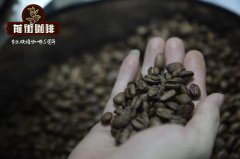
How many defective beans are there in Yega Xuefei G1? what's the taste of Yega Chefe? how to make Yega Chefe Coffee?
For more information on coffee beans, please follow the Coffee Workshop (Wechat official account cafe_style) the Federal Democratic Republic of Ethiopia (English: The Federal Democratic Republic of Ethiopia), referred to as Ethiopia or Ethiopia, is a country located in northeast Africa. It borders Djibouti and Somalia to the east.
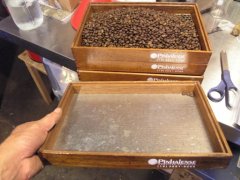
The influence of the selection of coffee beans on the importance of defective beans according to the screening and grading criteria of coffee beans in Ethiopia
In the coffee market, the size of coffee beans is very important. On the one hand, several coffee producers define their premium by the size of coffee beans. For example, the famous Kenyan AA coffee costs more than the smaller Kenyan AB coffee. When the screening size is large, the price will increase. The main theory on the market is that high-altitude coffee grows more slowly and has higher density than low-altitude coffee.

What does coffee bean G1 mean? what is the standard classification of Essex coffee?
Professional coffee knowledge exchange more coffee bean information please follow the coffee workshop (Wechat official account cafe_style) front street-Ethiopia grading system introduction Ethiopia is known as the birthplace of coffee, Ethiopia as a hot coffee exporter, in order to be able to uniformly distinguish many producing areas according to certain factors, to ensure a unified standard of import and export, so E

Coffee Common sense Coffee Bean Grade Analysis in Ethiopia
Ethiopian coffee beans are divided into five levels. The first and second stages are washed beans. Washed beans Grade1 represents 3 defective beans per 300g raw beans, and Grade2 represents 4 defective beans per 300g. Gradc1 grade water washed beans are very rare and are generally difficult to buy. At present, all the washed beans exported from Ethiopia are Grade2 grade. The quality of sun-dried beans is Grade3 and Grade4 in order.
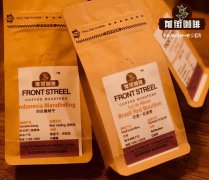
Ethiopian Coffee Bean Story-relationship between Ethiopian Coffee Bean grading and defect rate
Professional coffee knowledge exchange more coffee bean information please follow the coffee workshop (Wechat official account cafe_style) in all the coffee producing areas, the most familiar is Ethiopia, because this is the recognized birthplace of coffee. At first, coffee fruit was regarded as a fruit rather than a drink. Ethiopian coffee beans taste very diverse, from oranges and flowers